Wildlife & Destinations

Often hailed as the “Crown Jewel of Africa,” Botswana offers a premier safari experience defined by its commitment to low-impact, high-value tourism. This deliberate strategy ensures that vast tracts of wilderness remain untouched, providing travelers with a rare sense of exclusivity and privacy away from the crowds.

From the crystal-clear labyrinth of the Okavango Delta to the sun-baked salt pans of the Makgadikgadi, Botswana’s landscapes are as diverse as they are breathtaking. Whether you are gliding silently through lily-filled channels in a traditional mokoro (dugout canoe) or witnessing the “Land of Giants” in Chobe National Park, every destination reveals a different facet of the wild.


Our Safari Destinations

Savuti

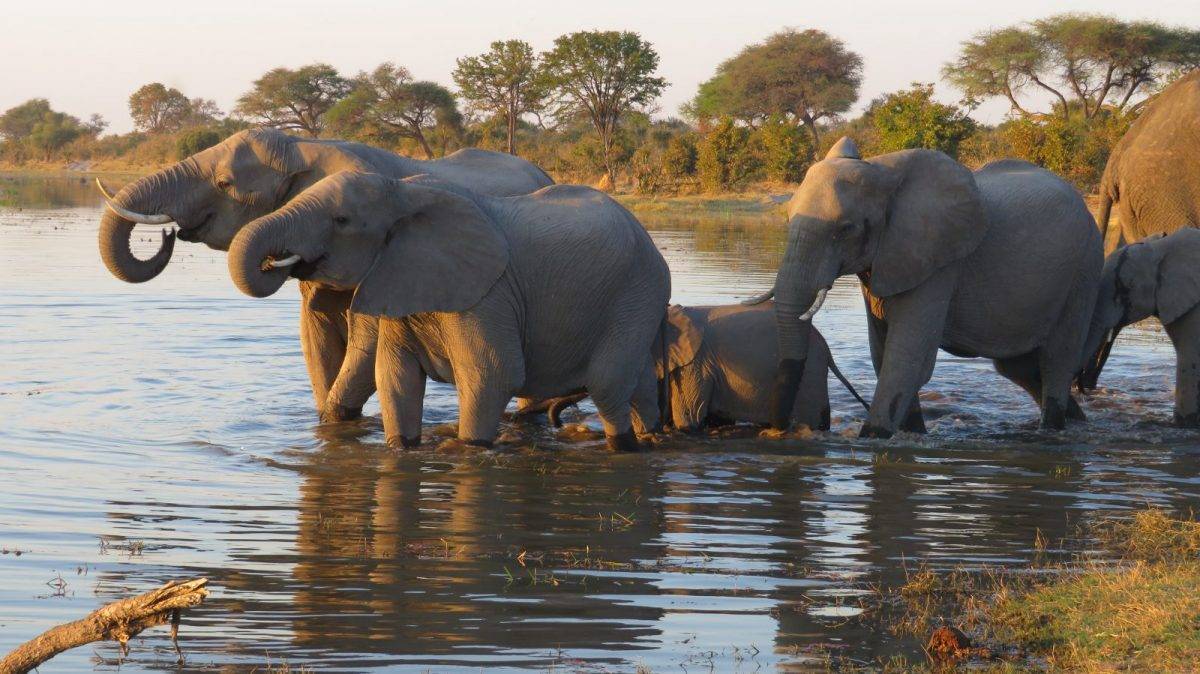
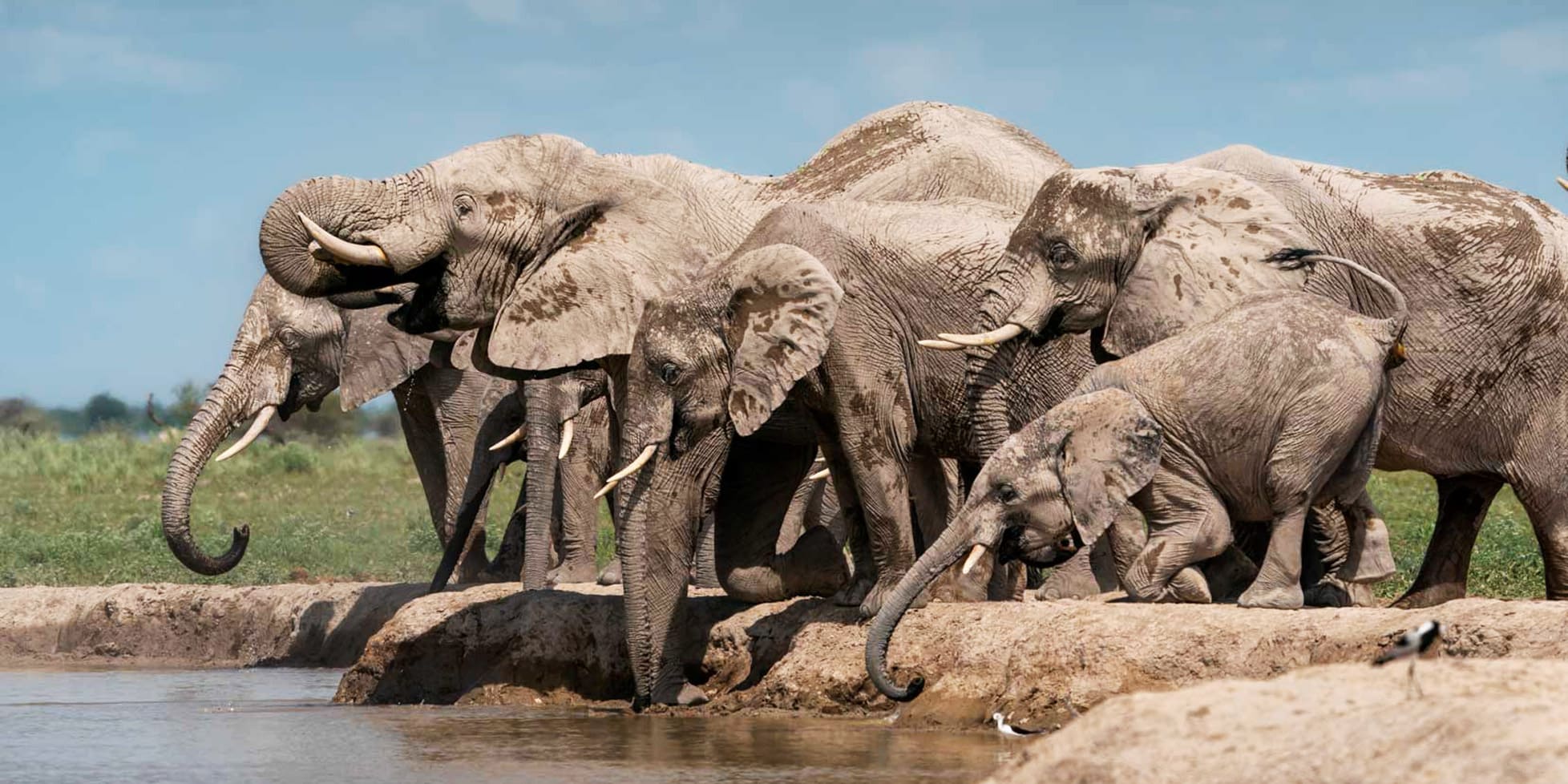
Savuti (or Savute) is a famed, wildlife-rich, and remote region within Botswana's Chobe National Park, known for its dense predator populations (especially lions and hyenas) and the mysterious, unpredictable Savuti Channel that flows into the vast Savuti Marsh, creating diverse habitats for large herds of elephants, zebra, and birds, with opportunities for game drives, ancient San rock paintings, and unique landscapes featuring baobabs and dead trees.

Moremi Game Reserve

Moremi Game Reserve, located in the eastern Okavango Delta, is widely considered one of the most beautiful and diverse wildlife sanctuaries in Africa. It covers nearly 5,000 sq. km and is the only officially protected area in the Delta, encompassing a mix of permanent wetlands, seasonal floodplains, and dry mopane woodlands.

Khwai Concession

The Khwai Concession is an 1,800 km² (180,000-hectare) wilderness area in northern Botswana, located on the northeastern edge of the Okavango Delta. It serves as a vital unfenced wildlife corridor between the Moremi Game Reserve to the south and Chobe National Park to the north.

CKGR

Central Kalahari Game Reserve is an extensive national park in the Kalahari Desert of Botswana. Established in 1961 it covers an area of 52,800 square kilometres (20,400 mi2) (larger than the Netherlands, and almost 10% of Botswana's total land area), making it the second largest game reserve in the world.The reserve is located entirely within Botswana's Ghanzi District, making up over 40% of the district's territory.

Makgadikgadi Pans

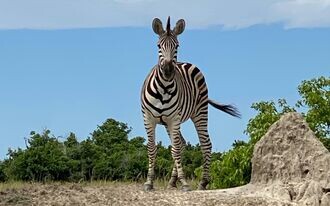
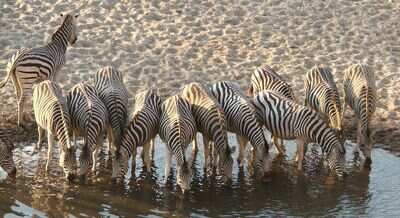
The Makgadikgadi Pans National Park in Botswana protects part of the world's largest salt pans, a vast, shimmering landscape that transforms from dry, cracked earth into temporary wetlands after rains, attracting massive zebra migrations and flamingos, while the Boteti River provides vital dry-season water for diverse wildlife like lions, cheetahs, elephants, and rare brown hyenas, offering unique safari experiences focused on stark beauty, ancient history, and incredible animal spectacles.
Nxai Pans

The Nxai Pans National Park is situated north of the Makgadikgadi Pans National Park. The park is dominated by large salt pans, which attract large herds of animals especially during and after the rainy season. The fascinating landscapes, a group of seven mighty baobab trees – the famous Baines Baobabs – as well as a waterhole frequently visited by a pride of lions are the main highlights of the Nxai Pans National Park. The park derives its name from a curved stick ‘Nxa’, which the San used to dig out springhares and which the form of the park resembles. The area of the park belongs to the settlement area of the San (Bushmen).

Chobe National Park

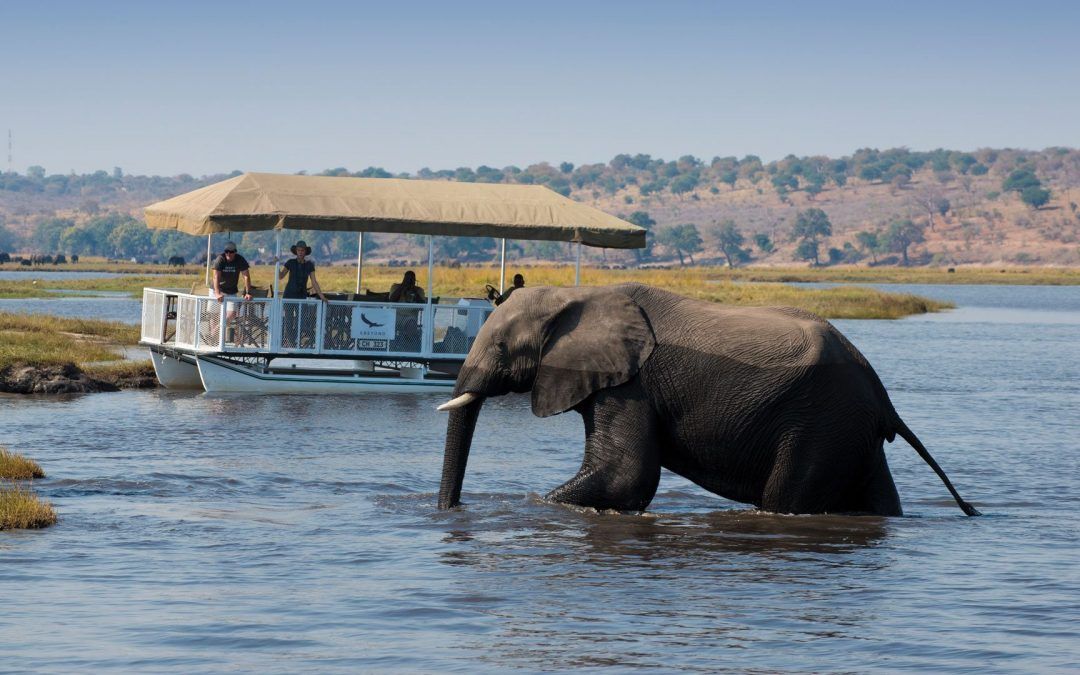
Chobe National Park is in northern Botswana near the vast, inland Okavango Delta. It's known for its large herds of elephants and Cape buffalo, which converge along the Chobe Riverfront in the dry months. Lions, antelopes and hippos inhabit the woods and lagoons around Linyanti Marsh. The floodable grasslands of the Savuti Marsh attract numerous bird species, plus migrating zebras

Okavango Delta

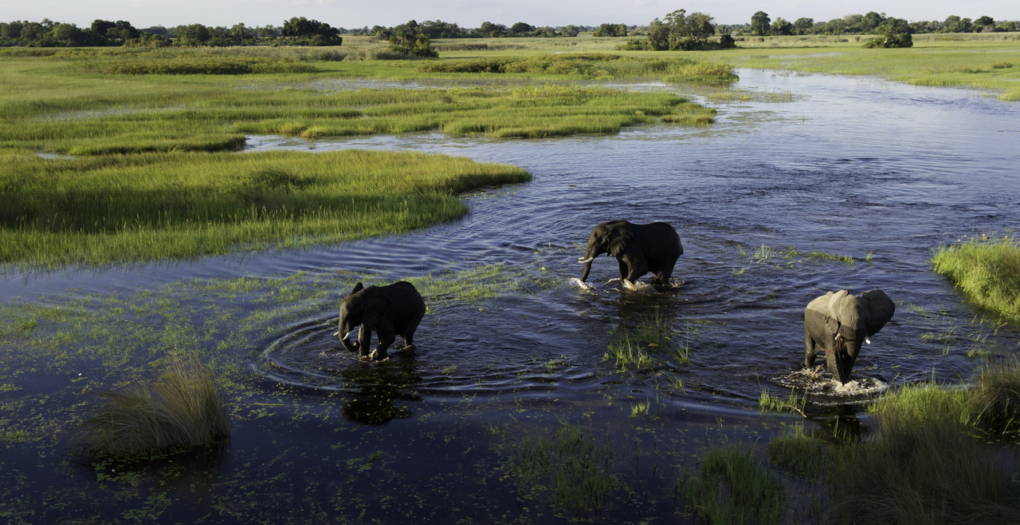
The Okavango Delta is a vast inland river delta in northern Botswana. It's known for its sprawling grassy plains, which flood seasonally, becoming a lush animal habitat. The Moremi Game Reserve occupies the east and central areas of the region. Here, dugout canoes are used to navigate past hippos, elephants and crocodiles. On dry land, wildlife includes lions, leopards, giraffes and rhinos